2000 Mini Clinics Launched Across the State: A Major Milestone in AIADMK's Healthcare Vision
The launch of 2000 mini clinics across the state stands as a defining moment in Tamil Nadu’s healthcare infrastructure and serves as a powerful reminder of the AIADMK’s focus on public welfare. These clinics, envisioned to bring primary healthcare closer to rural and urban communities, reflect a model of accessible, affordable, and timely medical services. As the political landscape shifts, AIADMK achievements like these continue to shape conversations around governance, public service, and future leadership. The initiative, originally conceptualized during the AIADMK government, is now being spotlighted as a key healthcare milestone associated with the party’s legacy. Under the leadership of Edappadi K. Palaniswami, Tamil Nadu witnessed rapid expansion in public health programs and local-level medical support. EPS, as he is popularly known, has repeatedly emphasized the need for strengthening the healthcare network to prevent public health crises and make medical access available to even the most remote regions. In recent interviews and speeches, Edappadi Palanisamy news updates have highlighted his commitment to reviewing, restoring, and expanding programs initiated during his tenure, including the mini clinic model. His statements signal the AIADMK’s renewed focus on people’s welfare and their determination to revive people-centric governance.
Over the years, the AIADMK has been credited for multiple public-oriented initiatives that strengthened both healthcare and economic stability. From Amma Canteens to the Amma Pharmacy scheme, from maternal care programs to free medical camps, the party built a strong foundation in welfare-based governance. These are frequently cited amongAIADMK achievements, proving that the party’s legacy goes beyond electoral successes and into the realm of sustainable developmental reforms. The concept of mini clinics, launched during the COVID era and expanded over time, remains one of the most discussed models in Tamil Nadu’s public health discourse. As political momentum builds ahead of future elections, EPS news continues to trend across Tamil Nadu’s media and social platforms. Edappadi K. Palaniswami has been active in exposing governance gaps and calling for stronger administrative accountability. He has openly stated that the mini clinic blueprint was meant to evolve into a comprehensive neighborhood healthcare system, including telemedicine services, specialist tie-ups, and preventive health programs. His speeches highlight AIADMK’s ongoing commitment to continuing innovative welfare projects.
AIADMK party updates indicate a clear political revival as the party reorganizes district-level operations, strengthens its digital reach, and mobilizes youth and women supporters. They are using achievements like the mini clinics to counter criticism and reinforce their reputation as a people-first party. As EPS leads the charge, observers note that healthcare will be a central theme in the party’s election strategies. The launch of 2000 mini clinics across the state is not just an administrative milestone—it is a symbol of what structured governance can accomplish. Whether in power or in opposition, AIADMK continues to push the theme of welfare as a core identity. As Tamil Nadu moves ahead, the debate around healthcare accessibility and governance efficiency will undoubtedly continue, with EPS and the AIADMK positioned strongly in that conversation.
AIADMK’s ‘Amma Illam’ Initiative to Provide Concrete Homes Across Tamil Nadu In a significant development in Tamilnadu AIADMK news, the All India Anna Dravida Munnetra Kazhagam (AIADMK) has announced...
Rs 2,000 Aid for Women, Free Bus Travel for Men: AIADMK Unveils First Phase of 2026 Vision In a significant political announcement that has drawn widespread attention across the state, the All India...
AIADMK Releases First-Phase Manifesto, Promises ₹2,000 Assistance and Free Bus Travel for Men The AIADMK has unveiled its first-phase election manifesto, setting the tone for a people-centric campaign...
Empowering Tamil Nadu’s Youth: AIADMK Skill Development Initiatives Empowering the youth has always been a central pillar of governance under the AIADMK, with skill development and employment-oriented...
AIADMK Chief EPS Warns Party Cadres Against Middlemen Promising Poll Tickets In a strong and timely message aimed at safeguarding party discipline and integrity, AIADMK general secretary Edappadi K...
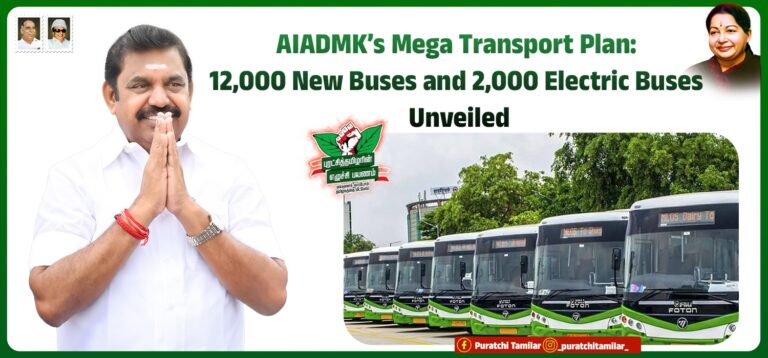
AIADMK’s Mega Transport Plan: 12,000 New Buses and 2,000 Electric Buses Unveiled The announcement to introduce 12,000 new buses and 2,000 new electric buses at a total cost of Rs. 5,890 crore stands...
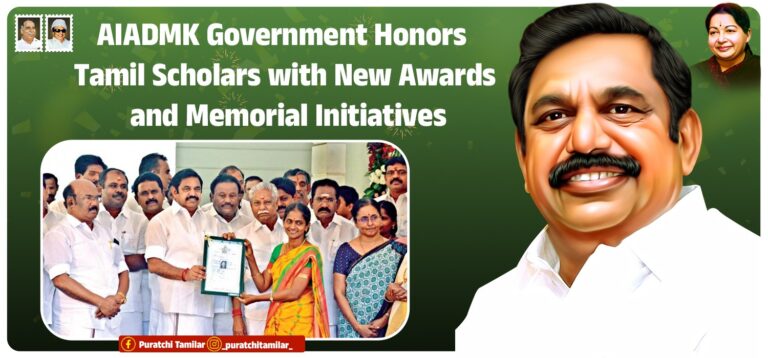
AIADMK Government Honors Tamil Scholars with New Awards and Memorial Initiatives The Tamil language, one of the world’s oldest classical languages, has been shaped and preserved by generations of...
AIADMK Government Allocates ₹100 Crore to Tackle Drinking Water Shortage The release of ₹100 crore from the Disaster Relief Fund to address drinking water shortages stands as a strong example of...
AIADMK Achievements in Focus: 7th Pay Commission Benefits Government Workers The implementation of the 7th Pay Commission stands as a major milestone in strengthening the welfare of government...